Join World's Fastest Growing B2B Network
Join World's Fastest Growing B2B Network

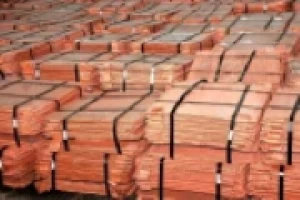


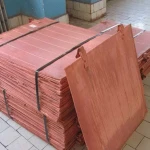
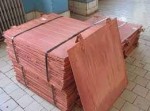
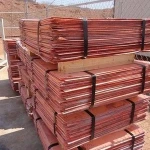
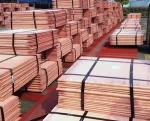
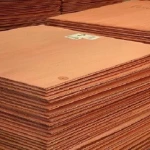
Copper cathode is a high-purity (typically 99.99% Cu) form of copper, produced via electrolytic refining or electrowinning. It appears as large, flat, rectangular plates weighing 100–250 kg. As a primary raw material for copper rods, wires, and sheets, it is essential for electrical, construction, and, crucially, electronics industries. Copper cathode is a high-purity (typically 99.99% Cu) form of copper, produced via electrolytic refining or electrowinning. It appears as large, flat, rectangular plates weighing 100–250 kg. As a primary raw material for copper rods, wires, and sheets, it is essential for electrical, construction, and, crucially, electronics industries. Copper cathode is a high-purity (typically 99.99% Cu) form of copper, produced via electrolytic refining or electrowinning. It appears as large, flat, rectangular plates weighing 100–250 kg. As a primary raw material for copper rods, wires, and sheets, it is essential for electrical, construction, and, crucially, electronics industries. Copper cathode is a high-purity (typically 99.99% Cu) form of copper, produced via electrolytic refining or electrowinning. It appears as large, flat, rectangular plates weighing 100–250 kg. As a primary raw material for copper rods, wires, and sheets, it is essential for electrical, construction, and, crucially, electronics industries. Copper cathode is a high-purity (typically 99.99% Cu) form of copper, produced via electrolytic refining or electrowinning. It appears as large, flat, rectangular plates weighing 100–250 kg. As a primary raw material for copper rods, wires, and sheets, it is essential for electrical, construction, and, crucially, electronics industries. Copper cathode is a high-purity (typically 99.99% Cu) form of copper, produced via electrolytic refining or electrowinning. It appears as large, flat, rectangular plates weighing 100–250 kg. As a primary raw material for copper rods, wires, and sheets, it is essential for electrical, construction, and, crucially, electronics industries.
One moment please
 Member's Area
 Messages
  Need Help



 Browse Through Millions of High-Quality Products.