Join World's Fastest Growing B2B Network
Join World's Fastest Growing B2B Network



| Quantity | 10 - 100 |
| Price | 2.33 |
| MOQ | 100 Kilograms |
| Port | Cape town Sea Port |
| Packaging | As Per Customer Requirements |
| Lead Time | 15 Days |
| certification | haccp | cultivation type | common |
| size (cm) | 8 | weight (kg) | 10 |
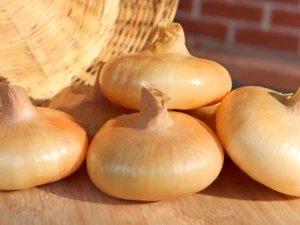
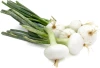
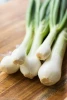
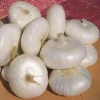
Cipollini onions are small, flat, and slightly sweet onions that originate from Italy. Their name “Cipollini” means “little onions” in Italian, reflecting their petite size and delicate flavor. They are highly prized in gourmet cooking for their sweet, mild taste and are often used in roasting, caramelizing, or pickling.
Appearance:
Cipollini onions are small, flattened, and disc-shaped with
smooth, thin outer skins that range from golden brown to pale
yellow. The flesh inside is white to pale yellow, crisp, and less
pungent than regular onions. Their compact size makes them ideal
for whole roasting or braising. The bulbs are usually 2–4 cm in
diameter and grow in clusters, making them visually appealing in
culinary presentations.
Flavor and
Aroma:
Cipollini onions have a mild, sweet flavor with subtle onion
notes and low sharpness compared to larger onions. When cooked,
their natural sugars develop, producing a rich, caramelized taste
with a delicate aroma. This makes them perfect for enhancing
dishes without overpowering other ingredients.
Culinary
Uses:
Cipollini onions are extremely versatile and are especially
valued for:
Roasting whole with olive oil and herbs for a sweet, tender side dish.
Caramelizing for sauces, tarts, or pizza toppings.
Pickling for gourmet salads, antipasti, or condiments.
Sautéing with meats, vegetables, or grains to add a mild sweetness.
They are often used in high-end cuisine for their elegant appearance and delicate flavor.
Nutritional
Benefits:
Cipollini onions are low in calories and rich in vitamins C and
B6, potassium, and dietary fiber. They contain antioxidants that
support cardiovascular health, reduce inflammation, and promote
overall wellness.
Growing and
Harvesting:
Cipollini onions thrive in well-drained soil and full sunlight.
They are usually harvested in late spring to early summer when
the bulbs are fully mature but still firm. Gentle handling is
recommended to prevent bruising, as their thin skins are
delicate.
Storage:
Cipollini onions should be stored in a cool, dry, well-ventilated
area. Their thin skins make them more delicate than brown onions,
so they are best used within a few weeks of harvest. Proper
storage helps maintain their sweet flavor and firm texture.
One moment please
 Member's Area
 Messages
  Need Help









 Browse Through Millions of High-Quality Products.