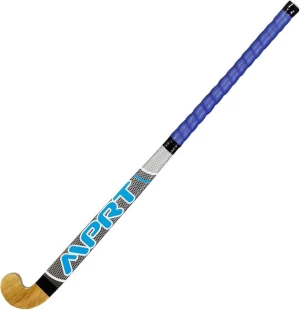
Structure: It consists of a long, straight handle
called the shaft and a curved or flattened end known as the
blade.
Shape: The blade is often shaped like the letter
"J" in field
hockey, while in ice hockey, it is more angled to help with
puck control.
Materials: Traditionally made from wood (like mulberry
or ash), modern professional sticks are now made from
lightweight composite materials like carbon fiber, fiberglass, and
aramid.
Function: Players use the stick to dribble the ball,
make passes to teammates, and strike it toward the opponent's
goal to score.
Variations:
Ice Hockey Sticks: Longer, with
a curved blade and specific "flex" (stiffness) levels to
help with powerful shots.
Field Hockey Sticks: Shorter
with a thicker blade, used specifically for moving a hard
ball on grass or turf.
Key Parts & Features
Butt
End: The top part of the handle where players often wrap
tape for a better grip.
Heel and
Toe: The back and front parts of the curved
blade.
Flex: How much the stick bends when a player
shoots; more flex can help propel the puck faster.