Join World's Fastest Growing B2B Network
Join World's Fastest Growing B2B Network

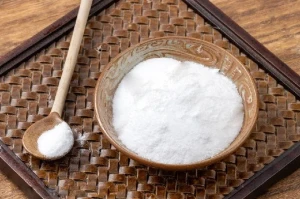


Povidone what is it
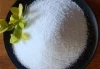
Povidone is a linear polymer of 1-vinyl-2-pyrrolidinone monomer with different degrees of polymerization, which results in polymers of a wide range of molecular weights (2,500–3,000,000 Da), usually expressed as K value (K30, K60, K85, K90, K120), Povidone is white or yellowish-white, hygroscopic powder or flakes, freely soluble in water, in ethanol (95 per cent) and in chloroform, practically insoluble in ethercan be used in many industries. Nowadays, Povidone can be used in a variety of different fields, like Pharma, Cosmetics, Food, Watertreatment, Solid gule, Oral Care.
Types of povidone pvp
Povidone K Series
PVP K90 (Fine Powder)
PVP K90 (Flake)
PVP K90 (Liquid)
PVP K85 Powder
PVP K85 Liquid
PVP K60 Powder
PVP K60 Liquid
PVP K120 Powder
PVP K 120 Liquid
PVP K30 Powder
PVP K30 Liquid
PVP K17 Powder
PVP K17 Liquid
PVP K25 Powder
PVP K25 Liquid
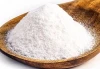
Povidone Powder
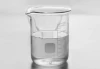
Povidone Liquid
Povidone function
Povidone is a water-soluble polymer product based on N-vinyl pyrrolidone. Due to its unique properties, it has been widely used in various fields. The current global application volume of PVP in various fields, as well as its functions and advantages are shown in the following graph:
Povidone PVP Polyvinylpyrrolidone Use in Pharmaceuticals
Povidone PVP Polyvinylpyrrolidone in Cosmetics
Main Applications in the Industrial Field of Povidone PVP
Features of Povidone PVP
Film-forming and hygroscopic properties of Polyvidone
PVP can be cast or coated into a film from a solution of water, methanol, ethanol, chloroform or dichloroethane. The PVP film is colorless, transparent, hard and bright. The solvent has no effect on the resulting film. PVP has strong hygroscopicity. When the PVP film absorbs moisture from air with a relative humidity of 70%, it will have a certain degree of viscosity.
Complexation of povidone vs propylene glycol
PVP is a polymer with high "solubility". This "solubility" ability is due to the fact that its molecular structure has advanced properties and amide groups that can accept hydrogen chains, as well as non-polar genes. Both groups have the ability to "dissolve" the corresponding groups on small molecular components. This ability enables PVP to react with many substances, especially polymers with static "solubility". This "solubility" ability is due to the fact that its molecular structure has advanced properties and amide groups that can accept hydrogen chains, as well as non-polar genes. Both groups have the ability to "dissolve" the corresponding groups on small molecular components. This ability enables PVP to produce solid complexes with many substances, especially compounds containing hydroxyl, carboxyl, amino and other active hydrogen atoms.
Biological characteristics of povidone for covid
PVP has excellent physiological inertness and does not participate in human metabolism. It also has excellent biocompatibility and does not cause any irritation to the skin, mucous membranes, eyes, etc., so that PVP is widely used as an excipient for pharmaceutical preparations and was even used as a plasma substitute during the war, saving many lives. Sunflower provides PVP K 120, PVP K60, povidone K 17, PVP K25, etc..
Safety of Polyvidone
PVP has excellent physiological inertness and biocompatibility, so it is widely used in food, cosmetics, and pharmaceutical industries. In the pharmaceutical industry, it is mainly used as an auxiliary material. For all application methods, its acute toxicity is low, and long-term use at normal doses does not cause significant tissue damage. It is not antigenic to the human body and does not inhibit the production of antibodies. The human body can be accepted through the digestive tract, subabdominal, subcutaneous and intravenous routes, and no carcinogenic effect on humans has been found.
Povidone Used for Some New Industries
Dispersant
PVP can be used as a dispersant for lithium battery cathode materials,In the field of new energy batteries, the amount of PVP used is about 15 tons for 1GWh, mainly using industrial grade PVP K30 and PVP K90,Due to the rise of new energy vehicles, the global annual demand for PVP for lithium batteries is expected to reach 33,100 tons in 2025.
Core Technology
Hollow fiber membrane material is the core technology of kidney dialysis membrane. As a porogen, PVP has stable chemical properties and can effectively control the size and distribution of membrane pores; increase the density of membrane pores, improve the permeability of the
membrane; and improve the surface of the membrane. Hydrophilic and good biocompatibility, our company won the bid for the national project "Polymer PVP materials for kidney dialysis".
Natural Gas
In terms of natural gas extraction, PVP, as the preferred natural gas hydrate inhibitor, plays a very important role in reducing the formation of crystallization and blockage in natural gas pipelines.
Povidone Manufacturing Process
Povidone Function
N-vinyl pyrrolidone (NVP) can be homopolymerized, copolymerized or grafted with many vinyl monomers to generate various homopolymers and copolymers, each with different properties and uses, and each with its own characteristics. PVP is its homopolymerized product, with a molecular weight ranging from **********, and can form a series of products with different specifications to meet different application requirements. The main methods are as follows:
Bulk polymerization
NVP can be thermally initiated polymerization at 140°C and higher. When NVP and peroxide are heated to 110 degrees Celsius, polymerization occurs quickly, and the reaction temperature rises to 110-190°C by itself, generating a molten polymer. After cooling, it is crushed to form a hygroscopic polymer powder. However, the polymer obtained by this method has the disadvantages of yellow color, low K value, and high residual monomer content due to the increase in viscosity during the polymerization process, the diffusion of the polymer, and local overheating, so it is rarely used in industry.
Solution polymerization
PVP obtained by bulk polymerization must be purified, otherwise it cannot meet the requirements of commercial products. Therefore, solution polymerization of NVP was developed. NVP can be polymerized in many solvents, such as isopropanol, methanol, ethyl acetate, benzene, water and other solvents. Since water is the cheapest and safest solvent, aqueous solution polymerization is generally used more. NVP can be polymerized in aqueous solution using peroxide alone as an initiator and ammonium or amine as an activator. This system is generally used to prepare PVP with lower molecular weight, such as K30. To prepare high molecular weight PVP, azo initiators can also be used.
Suspension polymerization
Add a dispersant called Gentexv-516 to heptane, disperse NVP and a small amount of water together into oil drops, suspend them in heptane, and then use AIBN to initiate polymerization at 25°C to obtain PVP with an average molecular weight of up to 670,000.
For what is the use of povidone and buy povidone, contact us.
There are many polyvinylpyrrolidone manufacturers, but we are the best choice for you.
No.100 Huifeng Road ,Xiaoshu Industrial Park ,Meixi Town ,Anji County , Huzhou ,China.
One moment please
 Member's Area
 Messages
  Need Help



 Browse Through Millions of High-Quality Products.