Join World's Fastest Growing B2B Network
Join World's Fastest Growing B2B Network



| Quantity | 10 - 100 |
| Price | 190 |
| MOQ | 100 Kilograms |
| Port | Cape town Sea Port |
| Packaging | As Per Customer Requirements |
| Lead Time | 15 Days |
| Product Name | Tennessee truffles |
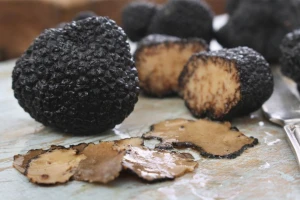
Tennessee truffles are a highly prized type of gourmet fungus grown in the rich soils of Tennessee, USA. Known for their strong, earthy aroma and unique flavor, they are sought after by chefs, food connoisseurs, and specialty markets. These truffles are cultivated or foraged under oak, hazelnut, and other hardwood trees, offering a premium, locally-sourced delicacy.
Appearance:
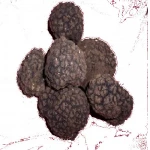
Tennessee truffles are small to medium-sized, irregularly shaped
tubers with a rough, warty exterior that ranges from dark brown
to black. The interior flesh is marbled with white veins, firm,
and aromatic. Each truffle varies slightly in size and shape,
reflecting its natural growth environment.
Flavor and
Aroma:
Tennessee truffles have a robust, earthy aroma with nutty and
musky undertones. Their flavor is intense, savory, and slightly
garlicky, making them a gourmet ingredient that enhances a
variety of dishes. Even small amounts impart a rich, luxurious
taste.
Culinary
Uses:
Tennessee truffles are highly versatile in fine dining:
Shaved thinly over pasta, risotto, eggs, or meats for a gourmet finish.
Infused into oils, butters, and sauces to extract their aroma and flavor.
Incorporated into specialty condiments, spreads, or cheese preparations.
Used in small quantities as a finishing touch to elevate dishes.
Nutritional
Benefits:
Truffles are low in calories but rich in antioxidants, amino
acids, and trace minerals. They are known for their potential
health benefits, including anti-inflammatory and
immune-supporting properties.
Harvesting and
Sustainability:
Tennessee truffles are typically harvested during the fall and
winter months when mature. Skilled foragers or trained dogs
locate the truffles under specific trees. Sustainable harvesting
is essential to ensure continued growth and environmental
balance.
Storage:
Fresh Tennessee truffles should be stored in a cool, dry
environment, ideally wrapped in paper towels inside an airtight
container in the refrigerator. Proper storage preserves their
aroma, flavor, and texture for up to one week. They can also be
preserved by freezing or infusing in oil for longer shelf life
One moment please
 Member's Area
 Messages
  Need Help








 Browse Through Millions of High-Quality Products.