Please wait while your account is being registered at Tradewheel.com Loading Spinner

Join World's Fastest Growing B2B Network

Flocculants Polyacrylamide PAM for Mining

FOB Price 1200 - 2850 USD / Ton
MOQ1 Ton
Portxinggang
Packaging25Kg/bag
Lead Time10-15

Product Details

Basic Info.

Model NO.
99%
EINECS
201-173-7
Certification
ISO
Purity
≥99%
Type
Polyacrylamide
Grade Standard
Industrial Grade
Un
2074
Transport Package
Bag
Specification
99%
Trademark
SCR or OEM
Origin
China
HS Code
*********
Production Capacity
600, 000 Tons/Year

Product Description

Product Name Polyacrylamide
Other Names Polyacrylamide; Acrylamide resin; Acrylamide gel solution; Polyacrylamide,hydrolyzed; PAM; Polyacrylamide dry powder,cationic; yacrylamide dry powder,non-ionic; Cationic Polyacrylamide; anionic polyacrylamide; non-ionic polyacrylamide
Molecular Formula (C3H5NO)n
HS No. *********
CAS No. 9003-05-8
EINECS No. 201-173-7
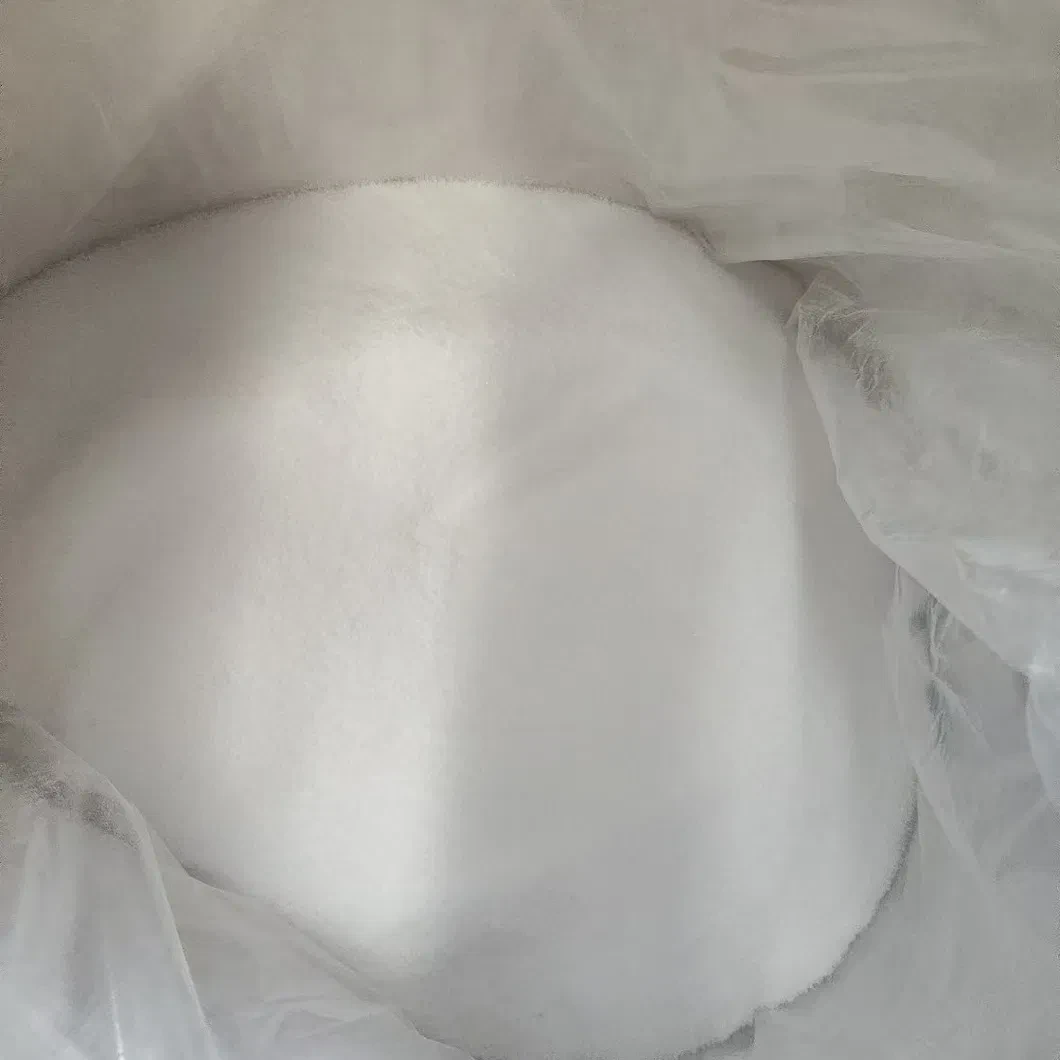
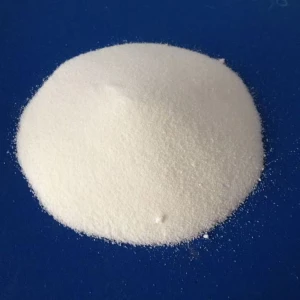
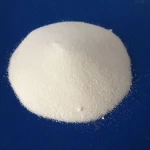
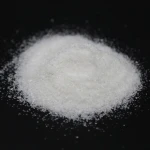
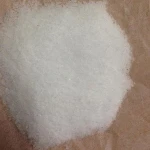
Appearance At room temperature, it is a hard glassy solid, and the products include gel, latex, white powder particles, semi transparent beads, and flakes
Purity 99%
UN 2074

Basic Information
  • Product Name: Polyacrylamide
  • Other Names:Polyacrylamide; Acrylamide resin; Acrylamide gel solution; Polyacrylamide,hydrolyzed; PAM; Polyacrylamide dry powder,cationic; yacrylamide dry powder,non-ionic; Cationic Polyacrylamide; anionic polyacrylamide; non-ionic polyacrylamide
  • 3.Molecular Formula: (C3H5NO)n
    4.HS No.: *********
    5.CAS No.: 9003-05-8
    6.EINECS No.: 201-173-7
    7.Appearance:At room temperature, it is a hard glassy solid, and the products include gel, latex, white powder particles, semi transparent beads, and flakes
    8.Purity:99%
    9.UN: 2074

    Physical and Chemical Properties:
    Polyacrylamide is a water-soluble linear polymer formed by free radical initiated polymerization of acrylamide (AM) monomer. It has good flocculation properties and can reduce the frictional resistance between liquids. It can be divided into four types based on ionic properties: non-ionic, anionic, cationic, and amphoteric. Polyacrylamide (PAM) is insoluble in most organic solvents such as methanol, ethanol, acetone, ether, fatty hydrocarbons, and aromatic hydrocarbons, except for a few polar organic solvents such as acetic acid, acrylic acid, chloroacetic acid, ethylene glycol, glycerol, molten urea, and formamide. But these organic solvents have limited solubility and often require heating, otherwise they have little practical value. It can dissolve in water in any proportion, and the aqueous solution is a uniform and transparent liquid. The molecular weight has little effect on the solubility, but when the solution concentration is higher than 10%, the polymer with high molecular weight can show a gel like structure due to intermolecular hydrogen atom bonding. High molecular weight solutions are pseudoplastic fluids.
    At appropriate low concentrations, polyacrylamide solution can be regarded as a network structure, with mechanical entanglement and hydrogen bonding between chains forming network nodes; When the concentration is high, the PAM solution is gel like because the solution contains many chain link contacts. PAM aqueous solution has good compatibility with many organic compounds that are miscible with water, and has good compatibility with electrolytes. It is insensitive to substances such as ammonium chloride, calcium sulfate, copper sulfate, potassium hydroxide, sodium carbonate, sodium borate, sodium nitrate, sodium phosphate, sodium sulfate, zinc chloride, boric acid, and phosphoric acid.
    00:51
    One minute understanding (PAM) polyacrylamide
    Polyacrylamide is a white powder or small granular material with a density of 1.302g/cm3 (23 ºC), a glass transition temperature of 153 ºC, and a softening temperature of 210 ºC . Generally, it contains a small amount of water when dried, and quickly absorbs water from the environment when dried. The homopolymer separated by freeze-drying is a white, soft, amorphous solid, but when precipitated from the solution and dried, it becomes a glassy, partially transparent solid. Fully dried polyacrylamide PAM is a brittle white solid. Commercial polyacrylamide is usually dried under moderate conditions with a water content of 5% to 15%. Polymer films prepared by casting on glass plates are transparent, hard, and fragile solids.
    Heating to 210 ºC under hypoxic conditions leads to weight loss due to dehydration; When heated to 210~300 ºC, the amide group decomposes to produce ammonia and water; When the temperature rises to 500 ºC, black flakes with only 40% of the original weight are formed.

    Application:
    A.Water treatment field
    Water treatment includes raw water treatment, sewage treatment, and industrial water treatment. When used in conjunction with activated carbon in raw water treatment, it can be used for coagulation and clarification of suspended particles in domestic water. Using organic flocculant acrylamide instead of inorganic flocculant can increase water purification capacity by more than 20% even without modifying the settling tank; In sewage treatment, the use of polyacrylamide can increase the utilization rate of water recycling and can also be used for sludge dewatering; Used as an important formulation agent in industrial water treatment. The largest application of polyacrylamide in foreign countries is in water treatment, and its application in this field is being promoted domestically. The main role of b.polyacrylamide in water treatment:
    (1) Reduce the amount of flocculant used. Under the premise of achieving the same water quality, using polyacrylamide as a coagulant aid in combination with other coagulants can greatly reduce the amount of coagulants used; (2) Improve water quality. In the treatment of drinking water and industrial wastewater, the combination of polyacrylamide and inorganic flocculants can significantly improve water quality; (3) Improve floc strength and settling speed. Polyacrylamide forms flocs with high strength and good settling performance, thereby improving solid-liquid separation speed and facilitating sludge dewatering; (4) Corrosion and scaling prevention of circulating cooling systems. The use of polyacrylamide can greatly reduce the amount of inorganic flocculants used, thereby avoiding the deposition of inorganic substances on the surface of equipment and slowing down equipment corrosion and scaling.
    C.Application in oil extraction
    Polyacrylamide is a multifunctional oilfield chemical treatment agent widely used in drilling, cementing, completion, well repair, fracturing, acidification, water injection, water plugging and profile control, and tertiary oil recovery operations, especially in the fields of drilling, water plugging and profile control, and tertiary oil recovery. Polyacrylamide aqueous solution has high viscosity, good thickening, flocculation, and rheological adjustment effects, and is used as an oil displacement agent and drilling mud regulator in petroleum extraction. In the middle and later stages of oil extraction, in order to improve crude oil recovery, China currently mainly promotes polymer flooding and ternary composite flooding technologies. By injecting polyacrylamide aqueous solution, the oil water flow ratio is improved, resulting in an increase in the crude oil content in the extracted material. Adding polyacrylamide to tertiary oil recovery can increase oil displacement capacity, avoid oil layer breakdown, and improve oil recovery rate. The Chinese petroleum industry is the largest user of polyacrylamide, and the technological progress of polyacrylamide has promoted the development of the Chinese petroleum industry. The demand of the petroleum industry has accelerated the pace of technological innovation and industry development of polyacrylamide.
    D.Medical materials
    Polyacrylamide gel can be used as non prothrombin granulating agent, raw material for surgery, contact lens, outer coating compound of microcapsules, and used to manufacture high-quality hemostatic plugs, women's sanitary napkins, children's diapers, etc. Polyacrylamide with particle size of hundreds to tens of microns can be used as chromatographic packing (such as gel chromatographic column packing), which can effectively separate spherical proteins such as cytochrome. And it can further desalinate and concentrate proteins. Polyacrylamide resin undergoes Mannich reaction to introduce L-proline or L-hydroxyproline via methylene bridge on the amide side chain. After coordination with copper ions, a chiral ligand resin is obtained, which effectively separates a series of DL amino acids. The chiral amino acids on the polyethylene amine resin obtained by Hofmann degradation can be complexed with copper ions as a stationary phase for ligand exchange chromatography, which can be used to separate a series of amino acids, especially aromatic amino acids. Due to the strong hydrophilicity of the skeleton, the separation time is greatly shortened.
    other industries
    e.In the food industry, it is used for sugarcane juice clarification and syrup phosphate float extraction in the production of sugarcane sugar and beet sugar. Enzyme based fermentation broth is used in the coagulation and clarification industry, as well as in the recovery, stable quality, and good performance of feed protein. The recovered protein powder has no adverse effects on the survival rate, weight gain, and egg production of chickens. It is also used in the synthesis of resin coatings, water blocking materials for civil engineering grouting, building materials industry, cement quality improvement, construction industry adhesives, joint filling and repair and water blocking agents, soil improvement, electroplating industry, printing and dyeing industry, etc.

    Storage:
    Powder storage conditions
    Environmental requirements: Store in a dry and cool place, recommended temperature between 5-30 ºC, and relative humidity controlled between 45% and 75%
    Shelf life: Usually can be stored for more than two years
    Caution: Avoid direct sunlight, moisture, and contact with chemicals such as acid and alkali
    Solution storage conditions
    Concentration and time:
    Non ionic/anionic solutions with a concentration of 0.1% should not exceed 1 week, and cationic solutions should not exceed 1 day
    3%~5% high concentration solution has a longer storage time, but it needs to be diluted before use
    Environmental requirements: Sealed and stored in a cool and ventilated place, avoiding high temperature and humidity
    Other precautions
    Lotion type: the shelf life is usually 6 months, and it needs cool and dry storage
    Safety measures: Keep away from sources of fire and flammable materials, regularly check the sealing of packaging

    QUALITY INSPECTION
    Our chemicals can be tested by any impartial third party, such as SGS,BV,ISO,CE, etc.

    About Us
    We work in this field for about 16 years, and the annual out of Sodium bisulfite
    is about 800,000 tons.

    OUR ADVANTAGE
    1.Quickly and timely response
    2.Quick and professional Delivery of chemicals
    3.Professional technical support and after-sales service
    4.Full set of Hazard Chemical Exporting Licenses
    5.Continuous and stable supply chemicals with professionally deal Bulk Vessel,ISO Tank and containers transportation

    Polyacrylamide Anionic and Cationic PAM Manufacturer for Water Treatment CAS 9003-05-8
chat with us
Register Your Company