Join World's Fastest Growing B2B Network
Join World's Fastest Growing B2B Network




| Quantity | 300 - 350 | 2 - 3 |
| Price | 300 | 300 |
| MOQ | 2 Units |
| Port | Lagos Apapa/tin can island |
| Packaging | Generic |
| Lead Time | 3 Weeks outside Nigeria |
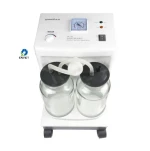
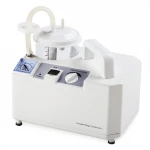
A double bottle suction machine (also called a twin-bottle aspirator) is a heavy-duty medical device used to extract bodily fluids like blood, mucus, phlegm, and pus from a patient's airway or surgical site.
The dual-bottle configuration provides a larger fluid capacity (typically 2 × 2.5L or more), allowing for continuous, uninterrupted operation during long procedures without frequent pauses to empty the containers.
Core Technical Specifications
• Pump Type: Maintenance-free, oil-free piston pumps that run quietly and eliminate oil mist pollution.Flow Rate: Heavy-duty models typically deliver an airflow rate ranging between 20 to 40 Liters per Minute (LPM).Negative Pressure: Capable of generating high vacuum levels up to ≥ 0.09 MPa (90 kPa).Noise Level: Engineered to operate silently, generally staying below 60–65 dB to preserve a calm clinical environment.
Key Clinical Features
• Continuous Workflow: Features a fluid changeover system or a series-connection setup. When the first bottle fills up, the machine can switch to the second jar or utilize it as an overflow backup.
• Overflow Protection Valve: Built-in mechanical float switches close automatically if the jars fill completely. This prevents fluids from entering and destroying the internal vacuum pump motor.
• Precision Controls: Includes an analog pressure gauge paired with a step-less regulator knob to dial the precise amount of suction needed for oral, nasal, or tracheal care.
• Hands-Free Operation: Frequently equipped with an optional foot-switch pedal to let surgeons or nurses trigger suction without breaking a sterile field.
• Mobility: Typically mounted on a heavy-duty rolling trolley or stand with locking swivel castors for quick transit between the ICU and operating theatres.
Common Applications
• Operating Theatres: Extracting blood and irrigation fluids during open, invasive surgeries.ICU & Critical Care: Long-term respiratory secretion management for intubated or tracheostomy patients.
• Obstetrics & Gynecology: Used during high-fluid clinical procedures like Dilation and Curettage (D&C).Emergency & Home Care: Clearing compromised patient airways of thick mucus or phlegm blockages.
One moment please
 Member's Area
 Messages
  Need Help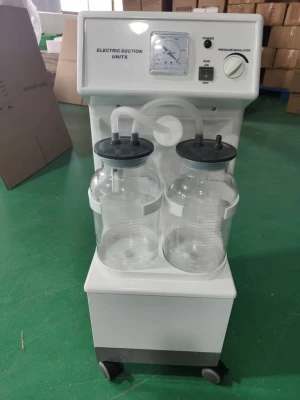





 Browse Through Millions of High-Quality Products.