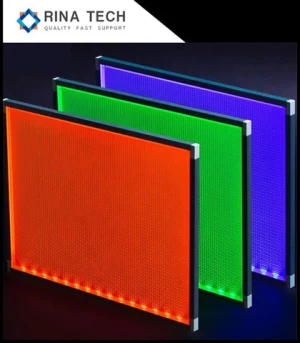
A light guide plate is a thin, flat panel made
from transparent acrylic or polycarbonate material. It
is designed to distribute light evenly across its
surface and is commonly used in LED lighting
applications. The plate typically features a series of
microstructures, such as dots or lines, on one side
that help to guide and scatter light as it passes
through the material.
Light guide plates are essential components in
many modern lighting fixtures, including edge-lit LED
panels, backlit signs, and LCD displays. They play a
crucial role in ensuring uniform brightness and
reducing hotspots or dark areas within the illuminated
area. By effectively managing the distribution of
light, they contribute to enhancing the overall visual
quality and performance of the lighting system.
In addition to their use in lighting, light guide
plates are also employed in various consumer
electronics devices, such as smartphones, tablets, and
laptops, to help evenly distribute backlighting across
the display panel. With their ability to efficiently
control and direct light, these plates have become
indispensable in numerous applications where uniform
illumination is essential.
How
many types materials of light guide
plate?
Light guide plates are commonly made from a
variety of materials to suit different applications
and requirements. The most common types of materials
used for light guide plates include acrylic,
polycarbonate, and optical grade PETG (Polyethylene
Terephthalate Glycol). Each material has its own
unique properties and benefits.
Acrylic is a popular choice for light guide
plates due to its high transparency, excellent light
transmission, and ease of fabrication. It is also
known for its durability and resistance to yellowing
over time.
Polycarbonate is another commonly used material
for light guide plates, known for its high impact
resistance and excellent optical clarity. It is often
chosen for applications where durability and strength
are important.
Optical grade PETG is valued for its
exceptional light transmission and optical
properties, making it suitable for demanding lighting
applications where high performance is
required.
How to choose a right light
guide plate?
When choosing a light guide plate, there
are a few important factors to consider. First,
consider the size and shape of the light guide plate
to ensure it fits the specific application. Next,
think about the material of the light guide plate, as
different materials can affect the light transmission
and diffusion. Additionally, consider the thickness
of the light guide plate, as this can impact the
flexibility and durability of the product. Its also
important to think about the design and layout of the
light guide plate to ensure it will effectively
distribute light. Lastly, consider any additional
features such as surface treatments or coatings that
may be necessary for your specific application. By
carefully considering these factors, you can choose
the right light guide plate for your needs. or
Contact with our sales Team for help!




 Member's Area
 Messages
  Need Help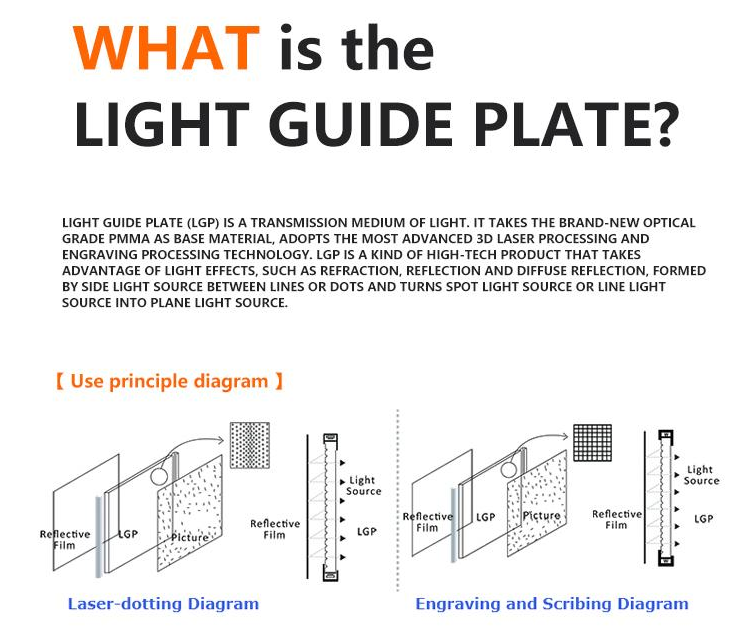













 Browse Through Millions of High-Quality Products.